
Behaviour · AI in everyday life
How Danes use AI in everyday life, and what it means for what they buy
By Kristian Stig Henriksen · Dear Future
Danes use AI in everyday life more than most other Europeans: to write, translate, plan and, increasingly, to work out what to buy and from whom. The last one is what changes things for companies. When an assistant answers who can help with a task, it becomes a step in the buying journey, and the answer names a few names.
How many use AI, and for what?
Eurostat's measurements of digital behaviour place Denmark at the top of the EU in the use of generative AI, and ChatGPT is the most used assistant in Denmark, with Gemini second according to Statcounter's measurements of traffic to AI assistants. The use is everyday: texts and emails, translation, recipes and planning, help with school and work, and questions people would previously have googled.
The last point is the interesting one. Some of the questions that used to return ten blue links now get one answer. In 2024 Gartner predicted a 25% drop in classic search volume by 2026 because of AI assistants. Whether the number lands exactly there, the direction is measurable in Search Console: impressions rise, clicks do not, because the answer is already on the page.
Examples of artificial intelligence in everyday life
- Assistants such as ChatGPT and Gemini that write, translate and answer questions.
- Recommendations in streaming services and online shops that learn from what you choose.
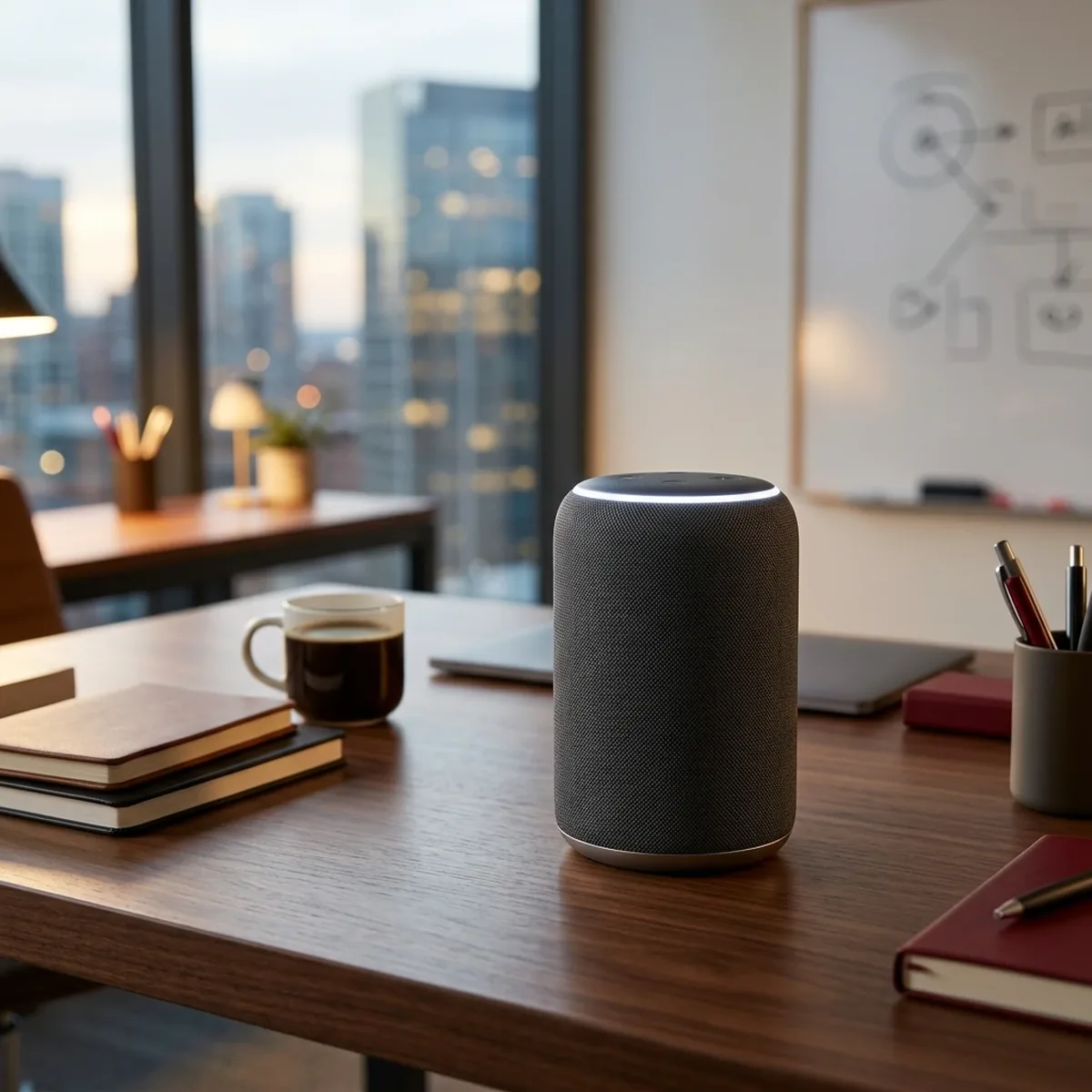
- Voice control and smart speakers that carry out tasks on command.
- Navigation that predicts traffic, and cameras that recognise faces and text.
- Google AI Overviews and AI Mode, which answer directly in the search results.
The first and the last example are generative AI; the rest is classic AI that predicts and recognises. Our glossary guide explains the difference.
From results page to answer: what changes in the buying journey
A buyer used to find ten pages, open three and form an opinion. Now she states the need in one sentence, gets one answer with two or three names and a justification, and keeps asking in the same conversation. That has three consequences: fewer brands come into consideration; the justification is written by the model from sources, not by the brand itself; and all of it happens before anyone has clicked anything.
For business purchases the pattern is the same, only with longer questions: who has experience with our industry, what does it typically cost, what is the difference between two approaches. Those are the kinds of questions we measure daily, and today the answers typically name a few providers per category.
Is AI search a paradigm shift?
A paradigm shift is when the basic assumptions of a field change, so the old methods no longer answer the new questions. The concept comes from the philosophy of science and is often used loosely. For search it fits rather precisely all the same: the whole discipline of search engine optimisation rests on the assumption of a list you can move up in. An AI answer has no list. There is an answer, some sources and a tone, and success is measured by whether you are in the answer, not where on the page you stand.
That does not mean search disappears. Google is still by far the largest, and AI Overviews appear only for a share of searches, more rarely in Danish than in English. It means a new channel with new rules has arrived beside the old one, and the new channel is growing.
What it means for your brand
Three things. Be where the answer is fetched from: pages that answer customers' questions clearly, with a date and sources. Be consistent across the sources the models read. And measure it: put your customers' questions to the assistants regularly and see who is named. The guides on getting recommended by ChatGPT and on measuring AI visibility show how.
Read on: what generative AI is, get recommended by ChatGPT and how to measure AI visibility.
From behaviour to numbers
Who do the assistants name when Danes ask in your category?
Get an AI visibility analysis: we put buyers' questions to ChatGPT and Gemini every day and show who is named and cited.
Get the analysis →Frequently asked questions
How can AI be used in everyday life?
To write and translate text, plan, make recipes and lists, get help with school and work, control the home by voice, and increasingly to work out what to buy and from whom. The last happens in AI assistants such as ChatGPT and Gemini and in Google's AI answers directly in the results.
What is artificial intelligence, simply explained?
Programs that solve tasks which otherwise require human intelligence: recognising, predicting and deciding. Classic AI sorts, recommends and recognises; generative AI such as ChatGPT creates new content, for example an answer in fluent text.
How do AI assistants affect consumers' choice of goods and services?
They replace part of the search with one answer that names a few names and justifies the choice. Fewer brands come into consideration, the justification is written by the model from sources, and it happens before anyone clicks. That is why it is decisive whether your brand is in the answer.
Is AI a paradigm shift?
For search the concept fits rather precisely: search engine optimisation rests on a list you can move up in, and an AI answer has no list. Success is measured by whether you are in the answer. Search does not disappear, but a new channel with new rules has arrived, and it is growing.